














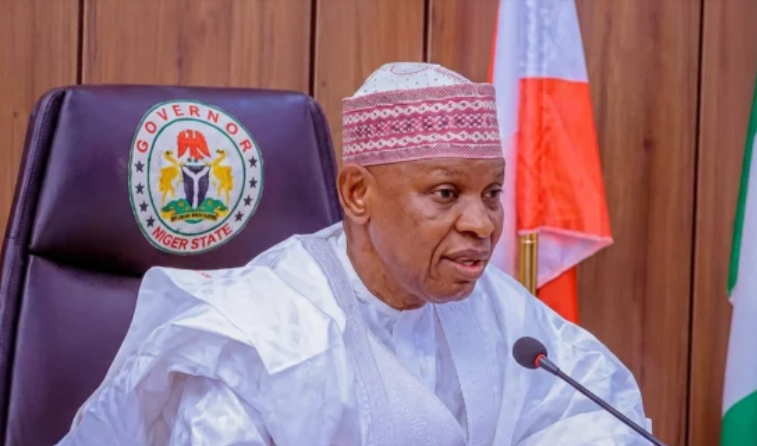
Kano State Governor, Abba Kabir Yusuf, is facing mounting criticism after approving the allocation of more than 2,000 plots of government land to political appointees, aides and grassroots party operatives in what the administration has described as a reward for loyalty and a strategy to expand land ownership.
The controversial exercise, conducted in two phases over the weekend, has ignited a fierce debate over the use of public assets for political patronage, with critics accusing the governor of converting state resources into rewards for political supporters while thousands of ordinary Kano residents continue to struggle with housing and access to land.
According to official statements issued by the Kano State Government, the first phase of the allocation saw title documents presented to Senior Special Assistants (SSAs), Special Assistants (SAs), and Personal Assistants serving in the administration.
Shortly afterwards, the government announced a second phase covering polling unit agents, popularly known as ‘Yan Akwatu, bringing the total number of beneficiaries to well over 2,000. Official figures indicate that an additional 1,588 plots were distributed after the initial allocations.
Governor Yusuf defended the programme, describing it as part of his administration’s broader housing and economic empowerment agenda.
He said the initiative was designed to reduce the state’s housing deficit, deepen land ownership among citizens and create wealth that could be passed from one generation to another.
The governor also acknowledged the political dimension of the exercise, saying it fulfilled a promise made to those who stood by him during his political journey.
According to him, the beneficiaries deserved recognition for their loyalty and sacrifices, while insisting that the programme aligns with his government’s commitment to improving access to land.
However, that explanation has done little to stem the growing backlash.
The announcement has triggered widespread criticism across social media, particularly on X, where many Nigerians questioned both the morality and propriety of allocating public land primarily to political associates instead of opening the process to the wider public.
Many commenters argued that the decision reinforces the perception that public office is increasingly being used to dispense state resources as political favours.
“See how they turn public property into private property. Hand go meet una soon,” one commenter wrote beneath a report on the allocations.
Another reacted more sharply, writing: “A public servant ‘allocates’ public wealth to cronies as reward. Nigeria’s rulers are cursed.”
Others questioned how the allocations advance the interests of ordinary Kano residents, many of whom continue to face rising housing costs and limited access to affordable land.
“How will this land allocation serve the wider interests of Kano residents?” one user asked.
Another described the exercise as symptomatic of Nigeria’s governance challenges, saying, “This is exactly why we can’t grow in Nigeria.”
The controversy has also reignited debate over political patronage and the management of public assets.
Critics argue that while governors possess statutory powers under the Land Use Act to administer land on behalf of their states, those powers are exercised in trust for the public and should be guided by transparency, fairness and the broader public interest rather than partisan considerations.
For many observers, the identity of the beneficiaries has become the central issue.
Rather than targeting first-time homeowners, low-income families or transparent public housing schemes, the allocations were largely directed at individuals already embedded within the governor’s political structure, including aides, appointees and party mobilisers
Some political analysts have also linked the timing of the exercise to the build-up towards the 2027 general elections, suggesting that the allocations could strengthen political loyalty ahead of future electoral contests.
The Kano State Government has rejected such interpretations, maintaining that the initiative is transparent, lawful and consistent with its housing and economic development policies.
Yet the explanation has failed to silence critics, many of whom insist that the issue goes beyond legality to questions of ethics, accountability and responsible stewardship of public resources.