











|
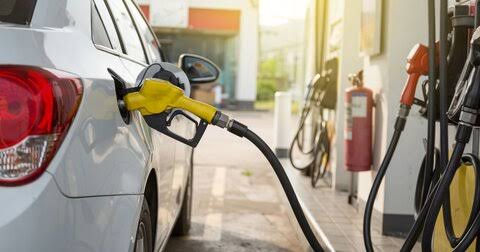
The steady rise in the pump price of Premium Motor Spirit (PMS), commonly known as petrol, has intensified economic hardship across Nigeria, with prices climbing to nearly N1,400 per litre in several parts of the country, triggering widespread anxiety among transporters, commuters, and businesses.
Findings across major cities indicated that the latest surge, driven largely by rise in the price of crude oil, is shrinking incomes, inflating transport fares, and worsening the cost-of-living crisis for millions of Nigerians. With the price of crude oil hitting almost $120 per barrel last week before settling at $112 over the weekend as the Middle East crisis rages, Dangote also adjusted its gantry price from N1,175 to N1,245 per litre. In response to the latest increase, marketers also adjusted pump prices across the country with new prices ranging from N1,310; N1,325; N1,370 and N1,400 per litre depending on locations. At stations operated by the Nigerian National Petroleum Company Limited (NNPCL), pump prices were revised upward twice within days, reflecting the volatility in the downstream sector. Toheeb Sulaimon, a commercial driver operating along the Ogba–Ikeja route, said his daily earnings have dropped drastically due to rising fuel costs and declining passenger traffic. “When fuel was around N800 per litre, I could spend about N9,000 on fuel and still make up to N30,000 in a day. Now, everything has changed. The cost has doubled, but passengers are fewer,” he said. Maduka Chibo, another operator, said his daily fuel expenditure has risen sharply to over N20,000, compared to about N10,000 when petrol sold at N800 per litre. Northern cities hit N1,390 In Kano, petrol prices climbed as high as N1,390 per litre, with several independent marketers adjusting their rates upward in response to supply costs. The increase has triggered a ripple effect on transportation, with commercial tricycle operators hiking fares significantly. “At this rate, people will stop using their cars. Some may even convert them to commercial use just to survive,” he said. Abuja, Kwara record fresh hikes In Abuja, pump prices have also surged, with several filling stations now selling between N1,361 and N1,370 per litre. The increase followed a fresh pricing template issued by MRS Oil Nigeria Plc to its dealers, signaling a new benchmark for the market. The company pegged its pump price at N1,332 per litre, with variations depending on delivery and collection terms, further highlighting the influence of supply chain costs. In Ilorin, Kwara State, the situation is no different. A survey showed petrol selling between N1,295 and N1,343 per litre, depending on the outlet. “What we used to manage with N4,000 daily is no longer enough. Transportation alone is taking a huge part of our income,” she said, adding that she may stop using her car to commute. South-South faces black market surge The disparity has worsened the burden on residents, particularly in areas where access to formal filling stations is limited. Commuters say transport fares have doubled in some cases. A trip that previously cost N300 to N400 in Port Harcourt now goes for as much as N700, reflecting the direct pass-through effect of fuel costs. Similarly, inter-state transport fares have increased, with journeys such as Yenagoa to Uyo rising from about N9,000 earlier in the year to N11,000.https://dailytrust.com/nigerians-woes-deepen-as-petrol-hits-n1400-l/
|