









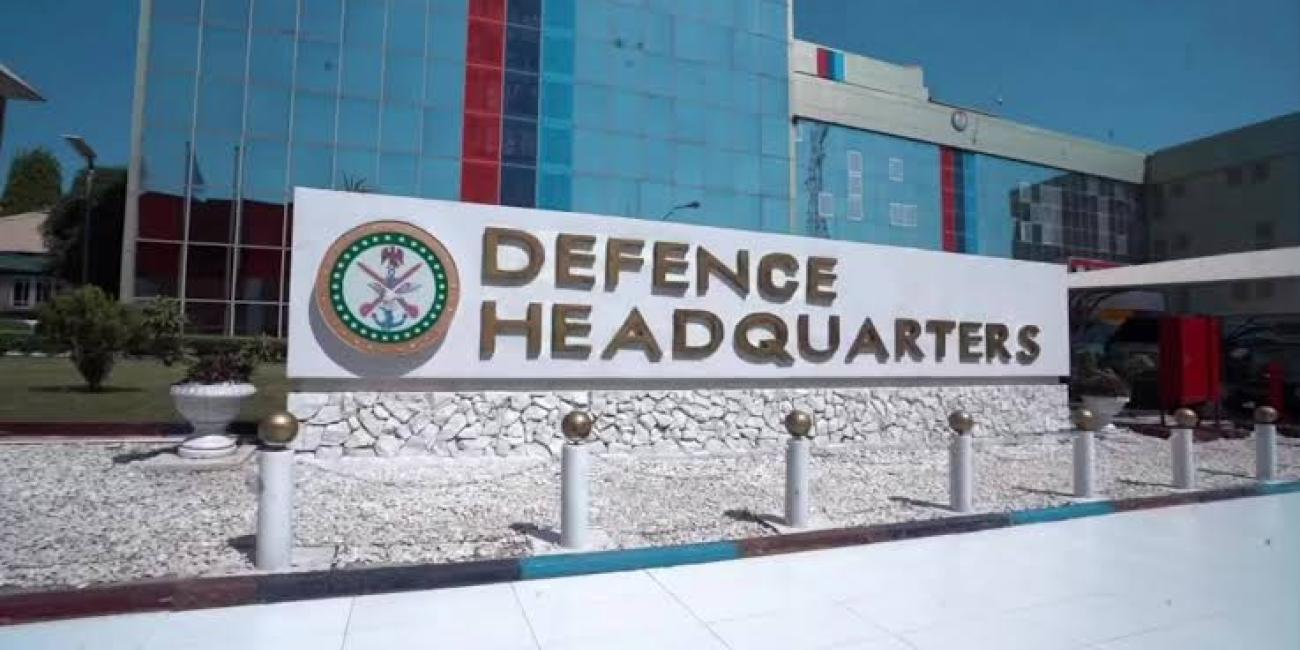
Top military officials have come under intense scrutiny over allegations that they are deliberately obstructing family visits, denying lawyers access, and delaying trial proceedings of some Nigerian military personnel detained over an alleged coup plot against the President Bola Tinubu-led government.
Multiple sources told SaharaReporters that the prolonged secrecy surrounding the detained officers has deepened suspicion that authorities are attempting to suppress sensitive revelations linked to the alleged coup.
It was gathered that the continued incommunicado detention of the officers, without access to family members or legal representation, is not only unlawful but points to a coordinated effort to isolate them and control any potential disclosures.
The human toll of the prolonged detention has been devastating, with families of the affected officers reportedly dying from grief and emotional trauma.
Among the tragic cases is Lieutenant Colonel Hayatu, Commanding Officer of the 130 Battalion, whose father allegedly died after being unable to cope with the shock of his son’s continued detention.
Similarly, prominent Tijjaniyya cleric Sheikh Sani Khalifa reportedly lost his younger brother while relentlessly seeking justice for his detained relative.
In another heartbreaking case, Squadron Leader N.G. Zuzu lost his mother amid the emotional strain of waiting endlessly for updates on her son’s fate.
Family members say they have been denied even the most basic proof that their loved ones are alive, leaving them in a state of fear and psychological torment.
Despite assurances from authorities two months ago that trials would commence, there has been no concrete action.
Sources said the delay has only heightened suspicions that the case may have been exaggerated or manipulated for political ends, with innocent officers bearing the consequences.
Human rights advocates warn that the continued delay violates fundamental rights and undermines the rule of law.
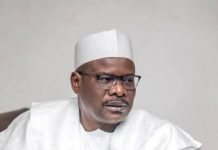
Senior military figures, including Chief of Defence Staff, General Femi Oluyede, and General Emmanuel Parker, have been accused of enforcing strict restrictions on access to the detainees.
According to observers, families and legal representatives have been repeatedly denied the opportunity to see or communicate with those in custody.
“These actions are not only suspicious but deeply inhumane,” a source familiar with the situation said. “It raises serious questions about what the authorities are trying to hide.”
Civil society organisations and advocacy groups have intensified calls for urgent intervention, demanding immediate access to detainees for families and legal representatives, independent verification of the detainees’ condition, immediate commencement of trials and full accountability for those responsible for the prolonged detention
They argue that continued secrecy only fuels public distrust and increases the likelihood of a major scandal.
Sources warned that the detained officers may possess critical information about the alleged coup, details that could significantly embarrass or implicate powerful figures within the military establishment.
“The longer this drags on, the more it looks like a cover-up,” one analyst said. “If these officers are eventually allowed to speak, the consequences could be far-reaching.”
As the situation lingers, public outrage continues to grow. Families remain trapped in anguish, unsure if their loved ones are alive or dead, while the authorities maintain silence.
With grief mounting and questions unanswered, Nigerians are left wondering how many more lives will be shattered before justice is served, and whether the truth behind the alleged coup will ever come to light.
Earlier this month, SaharaReporters reported how the wives of the detainees said they were afraid for their husbands’ lives.
They alleged the military and police officers might be in great danger unless human rights organisations and international bodies intervene.
In a statement sent to SaharaReporters, the women condemned the continued detention of their husbands without arraignment, formal charges, or commencement of trial.
“Our husbands were arrested between late September and early October and have remained in custody for several months without being brought before a court of competent jurisdiction.
“This prolonged detention without judicial process raises serious constitutional concerns under Sections 35 and 36 of the Constitution of the Federal Republic of Nigeria (1999, as amended), which guarantee the right to personal liberty and fair hearing within a reasonable time,” the statement read.