









The development reignited conversations about medical errors and patient safety in Nigeria’s health system, particularly within private hospitals.
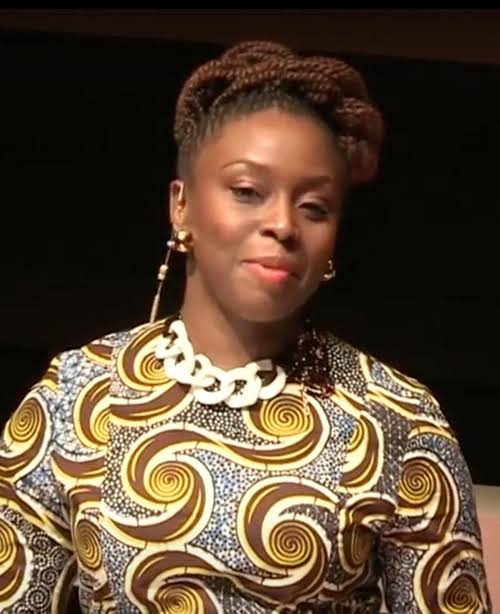
Following allegations of medical negligence made by renowned Nigerian author Chimamanda Adichie against a hospital over the death of her 21-month-old son, Nigerians have taken to social media platform X to share personal experiences of wrong diagnosis, pressured surgeries and alleged hospital impropriety across the country.
Ms Adichie accused a private centre, Euracare Hospital, of negligence and impropriety, which she said led to the death of her son, Nkanu Nnamdi, on 8 January, at the hospital. PREMIUM TIMES reported that the toddler died after a brief illness while the family was in Nigeria for the Christmas holiday. The hospital has denied any wrongdoing and said it is also investigating the matter. The Lagos State government has also stated that it will investigate the matter.
The development reignited conversations about medical errors and patient safety in Nigeria’s health system, particularly within private hospitals.
Joe Abah’s account
Reacting to the development, a former Director-General of the Bureau of Public Service Reforms (BPSR), Joe Abah, shared his experience on X, recounting how a private hospital in Abuja pressured him to undergo surgery.
| “A private hospital in Abuja said I needed surgery and was trying to pressure me to do it with them immediately. I wasn’t sure, and my family wasn’t comfortable,” Mr Abah wrote. |
|---|
Mr Abah said his wife reminded him that in the United Kingdom, there is a mandatory 14-day “cooling-off period” between being advised to undergo surgery and the procedure itself, except in life-threatening emergencies, allowing patients time to seek other opinions.
He said he decided to get additional medical opinions, including consultations abroad, which revealed that surgery was unnecessary.
“Getting a second opinion elsewhere and a third opinion abroad, it turned out that I didn’t need any surgery at all,” he wrote.
Medical negligence concerns
Concerns about medical negligence and errors within Nigeria’s health system have remained persistent across both private and public hospitals.
A 2025 study published in the African Research Journal of Medical Sciences found that medical error prevalence rates among Nigerian practitioners ranged between 42.8 per cent and 89.8 per cent.
The study also reported that about 33.3 per cent of patients experienced additional injuries as a result of treatment.
“The high prevalence and varied patterns of medical errors underscore the need for systemic interventions, including enhanced training, mentorship programs, and error-reporting systems to improve patient safety and healthcare outcomes,” it noted.
The Medical and Dental Council of Nigeria (MDCN) is responsible for investigating cases of medical negligence and sanctioning officials found to be negligent. The council has, in the past, sanctioned dozens of medical practitioners for wrongdoings.
Nigerians share experiences
Several Nigerians responding to Mr Abah’s post narrated similar experiences of alleged wrong diagnoses and pressure to undergo surgery.
An X user, @eakpe, said a hospital in Abuja once told a friend he urgently needed heart surgery.
“He decided to see his doctor in the UK, only to be told that he had an ulcer and that the chest pain he was feeling was from acid reflux,” the user wrote, adding that the hospital later apologised after being confronted with the new diagnosis.
Another user, @Ugwumsinach, recounted how her two-year-old son underwent adenoidectomy surgery in November 2025, noting that relatives were more concerned about whether he had woken up from anaesthesia.
“I found it odd; now I understand them,” she said.
Similarly, @MarkusJerryP narrated how a friend was diagnosed with a kidney condition and advised to undergo urgent surgery costing N3.5 million after undergoing MRI scans and purchasing expensive antibiotics.
After seeking opinions from consultants in Nigeria and the United States, the diagnosis was reportedly downgraded to minor kidney stones, requiring only increased water intake. Two years later, the patient remains healthy.
Another user, @IsaacJunior, alleged that an anaesthetist overdosed a friend’s younger brother, who never regained consciousness.
“My semi-literate mum of 70+ was told she needed emergency surgery in 2022,” wrote @JK. “She refused. She’s still alive. No surgery. No medication.”
Others shared accounts of pregnancy loss, alleged hospital negligence, and long-time grievances against public health institutions.
“In Nigeria, please seek for fifth opinion!!!” wrote @OnyebuchiRemy, who said he lost a sibling at the Lagos University Teaching Hospital in 2021.
Chimamanda’s allegations
Ms Adichie said her son’s death was avoidable and blamed what she described as critical failures in care during medical procedures that should have been routine.
According to her statement, Nkanu was admitted to Atlantis Hospital in Lagos after developing a severe infection. Plans were underway to evacuate him to the United States on 7 January, where a medical team at Johns Hopkins Hospital was prepared to receive him.
She said Atlantis Hospital referred them to Euracare Hospital for an MRI, lumbar puncture and insertion of a central line in preparation for the flight.
Ms Adichie said she was waiting outside the operating theatre when she noticed medical staff rushing in, later learning that her son had been given too much propofol by the anaesthesiologist.
“He became unresponsive and was quickly resuscitated,” she said, adding that he was later placed on a ventilator, suffered seizures and went into cardiac arrest before he died.
She alleged that her son was not adequately monitored after sedation and that proper medical protocols were not followed.
Hospital’s response
Euracare Hospital, however, denied wrongdoing, saying some reports being circulated contained inaccuracies.
In a statement, the hospital described itself as a reputable centre for complex medical care, led by an internationally trained clinical team.
The hospital said the patient was critically ill upon referral and that its medical team provided care in line with established clinical protocols and internationally accepted standards.
It added that a detailed investigation had been initiated in line with clinical governance standards, expressing sympathy with the grieving family.
“As medical professionals, we carry the weight of this loss deeply,” the statement said.